barkha.rajasthan@gmail.com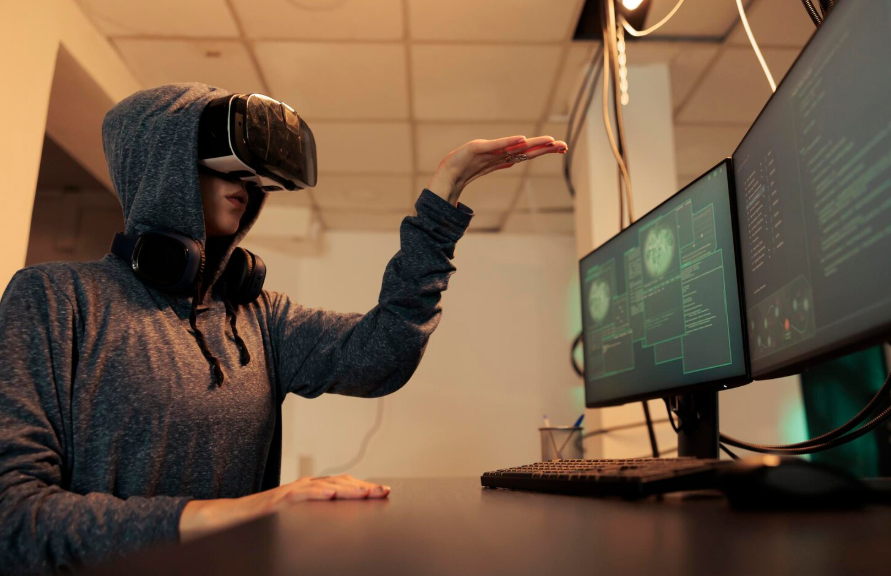
Introduction
Digital spaces are evolving beyond simple websites and social platforms into immersive environments that blend interaction, creativity, and community. These virtual spaces allow people to connect in richer ways through shared experiences, visual presence, and real time collaboration. As technology advances, new forms of digital participation are becoming part of daily routines, influencing how people learn, work, and socialize. The metaverse is often discussed as a broad vision of these connected virtual environments that expand the possibilities of online engagement.
Transforming Social Interaction
Online communication has shifted from text based exchanges to multimedia conversations that include video, live streams, and interactive environments. Immersive digital spaces create a sense of presence that helps people feel more connected even when they are physically apart. Virtual gatherings, social events, and shared activities can reduce feelings of isolation and encourage collaboration across distances. These environments also support creative expression through avatars, shared spaces, and user generated content that reflect personal identity and culture.
New Paths for Learning and Skill Development
Education is being reshaped by interactive digital environments that support experiential learning. Virtual classrooms, simulations, and collaborative projects allow learners to explore complex topics in engaging ways. Practical skills can be practiced in safe, simulated settings before being applied in real world contexts. Educators can design lessons that adapt to different learning styles, making education more accessible and inclusive. These tools also support lifelong learning by offering flexible access to knowledge and training.
Opportunities for Work and Collaboration
Remote work has become more common, and immersive digital environments offer new ways to collaborate beyond traditional video meetings. Virtual workspaces can replicate aspects of in person interaction, such as shared whiteboards, spatial audio, and informal conversations. Teams can brainstorm, prototype, and present ideas in environments designed for creativity and focus. This approach can strengthen team cohesion and improve engagement, especially for distributed organizations seeking more dynamic ways to work together.
Creative Economies and Digital Expression
Creative industries benefit from platforms that enable artists, designers, and developers to build and share interactive experiences. Digital spaces support new forms of storytelling, performance, and art that blend technology with imagination. Creators can reach global audiences and collaborate across cultures. Community driven projects encourage participation and co creation, allowing users to shape the environments they inhabit. This fosters a sense of ownership and belonging that strengthens digital communities.
Accessibility and Inclusion Considerations
For digital environments to have a positive influence, accessibility and inclusion must be prioritized. Design choices that support different abilities, languages, and devices help ensure that more people can participate. Affordable access to hardware and connectivity remains an important factor in reducing digital divides. Thoughtful policies and community guidelines can promote respectful behavior and protect users from harm. When inclusion is built into design, digital spaces become more welcoming and equitable.
Safety, Privacy, and Trust
As immersive environments grow, protecting users becomes increasingly important. Privacy safeguards, data protection practices, and clear moderation policies help build trust. Users need transparency about how their information is collected and used. Safe design principles encourage healthy interactions and reduce the risk of harassment or misuse. When users feel protected, they are more likely to engage fully and contribute positively to digital communities.
Looking Ahead
The influence of the metaverse in digital life will continue to expand as technologies mature and adoption grows. Its potential lies in creating richer ways to connect, learn, work, and create together. Success will depend on thoughtful design, inclusive access, and strong safeguards that prioritize user well being. By focusing on meaningful experiences and responsible growth, digital environments can become valuable spaces that complement and enhance everyday life.